The popular campus resource received state funding to ensure years of support to come.
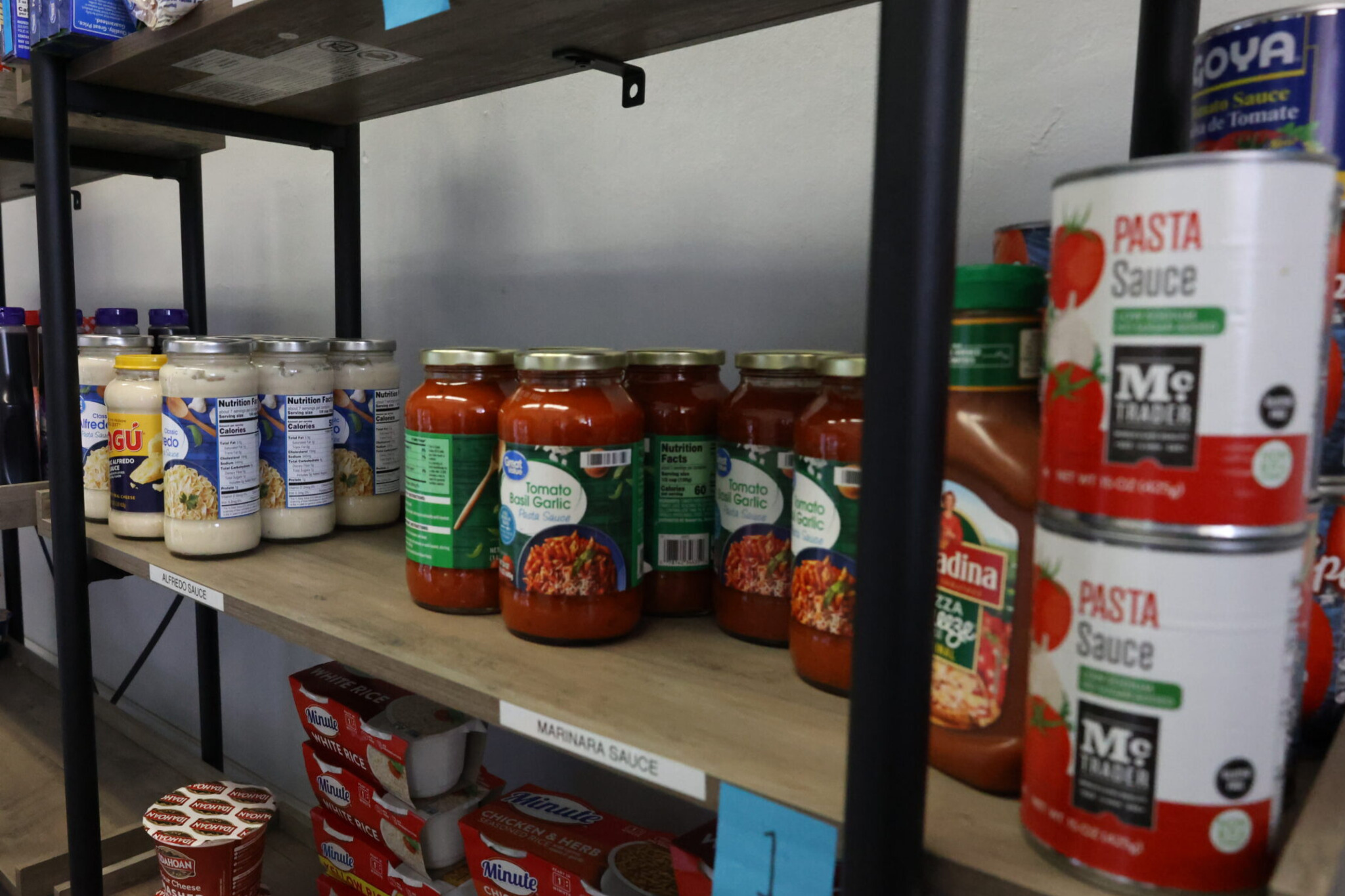
Mary Baldwin University’s commitment to supporting the whole student has received a significant boost.
The university’s Campus Cupboard has been awarded a $14,881 grant from the State Council of Higher Education for Virginia (SCHEV) as part of the Commonwealth’s new Hunger-Free Campus initiative — legislation signed into law last spring to help colleges and universities address student food insecurity across Virginia.
The grant program recognizes institutions that are actively working to reduce hunger on campus, strengthen partnerships with community organizations, and increase awareness of available resources. For Mary Baldwin, the award affirms ongoing efforts while opening new opportunities for sustainable growth.
“We were surprised and thrilled by the amount awarded,” said Carey Usher, vice president of student engagement. “We anticipated receiving under $5,000 simply to help keep the cupboard stocked. This level of funding allows us to think more strategically about long-term sustainability and expanding the impact of this resource.”
A National Issue, A Local Commitment
Food insecurity among college students is not unique to any one institution.
National research consistently shows that approximately one in four undergraduate students experiences food insecurity — meaning they lack consistent access to enough food due to financial constraints. Some campus-based studies report even higher rates, particularly among first-generation students and students from historically underrepresented backgrounds.
In response, colleges and universities across the country have established campus food pantries, meal-share programs, and basic needs initiatives as part of broader student success strategies. Virginia’s Hunger-Free Campus legislation reflects that growing recognition at the state level: student well-being and academic achievement are deeply connected.
The Campus Cupboard, located on the first floor of Kable House at MBU, is one part of a holistic support model designed to remove barriers so students can focus on learning, leadership, and career preparation.
Building Sustainable Support
The Campus Cupboard first opened in 2020 to provide free, discreet access to food and essential items for students, faculty, and staff who may need additional support. Managed through the Office of Student Engagement, the cupboard offers shelf-stable foods, personal care products, and other essentials.
The new SCHEV funding will allow the university not only to maintain consistent inventory, but also to explore longer-term, sustainable initiatives. Student Engagement leaders are currently planning the next steps for strengthening the program.
Mary Baldwin has also reinforced community partnerships to support the effort. Last spring, the university partnered with Food Lion Feeds, which now delivers food to the Campus Cupboard once each semester, supplementing campus resources and helping ensure reliable access to nutritious options.
Later this semester, MBU’s Office of Health and Wellness plans to participate in Shop to Stop Hunger with the Blue Ridge Area Food Bank. This annual event partners with grocery stores and organizations like MBU to generate donations for the local food pantry — this year’s event is planned for March 19.
Supporting the Whole Student
Mary Baldwin University understands that student success is about more than academics alone. It includes creating an environment where students feel supported, secure, and able to focus fully on their education.
The Campus Cupboard reflects that commitment. It offers quiet, practical support when students need it — without stigma and without complication. For some, it may be used once. For others, it may serve as a short-term bridge during a financially tight season. In every case, the goal is the same: ensuring that temporary challenges do not become barriers to progress.
The Hunger-Free Campus grant strengthens that work and affirms the university’s ongoing investment in student well-being.
As Usher noted, “This funding allows us not only to keep the shelves stocked, but to think more intentionally about how we ensure every student has what they need to thrive.”