African American Studies (Minor)
Deepen your understanding and appreciation.
Mary Baldwin’s African American studies minor critically analyzes and interprets the history and culture of people of the African Diaspora in the Americas generally and the U.S. specifically.
Students will learn and utilize theoretical and practical models drawn from African-American studies, history, philosophy, politics, literature, sociology, music, and the arts.
- FormatOn Campus
- Degree(s)Minor
Next steps


Why minor in African American studies at MBU?
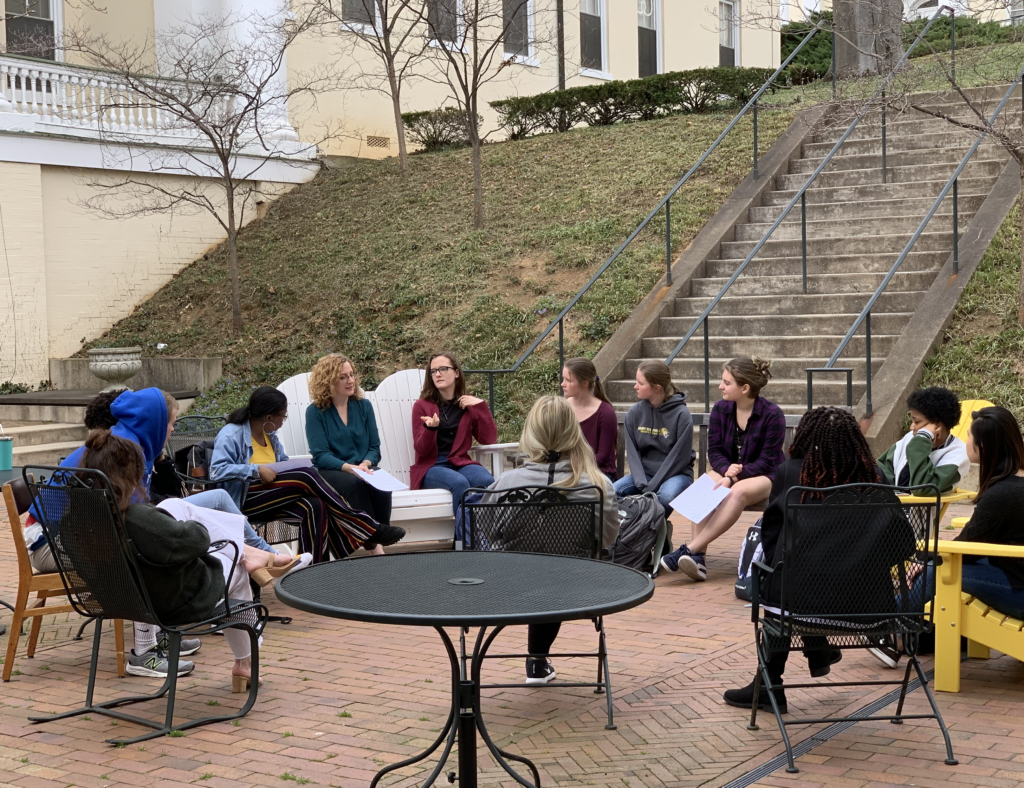
A minor in African American studies enriches your understanding of and appreciation for the history and culture of people of the African Diaspora. Through our interdisciplinary program, you will gain a more complex and nuanced understanding of nation, self, and community through your coursework and discussions with peers and faculty. The minor also helps prepare you to be a more inclusive, diversity-conscious leader in your future profession of choice.
Special Opportunities at MBU
Internships
Students can pursue for-credit internship opportunities that include local archival and oral history projects.
Programs and Events
MBU hosts various community and campus-wide events including Black Baby Doll Day, Martin Luther King Jr. Candlelight March and Memorial Service, as well as Kwanzaa and Black History Month programs.
Next steps
Minor Requirements
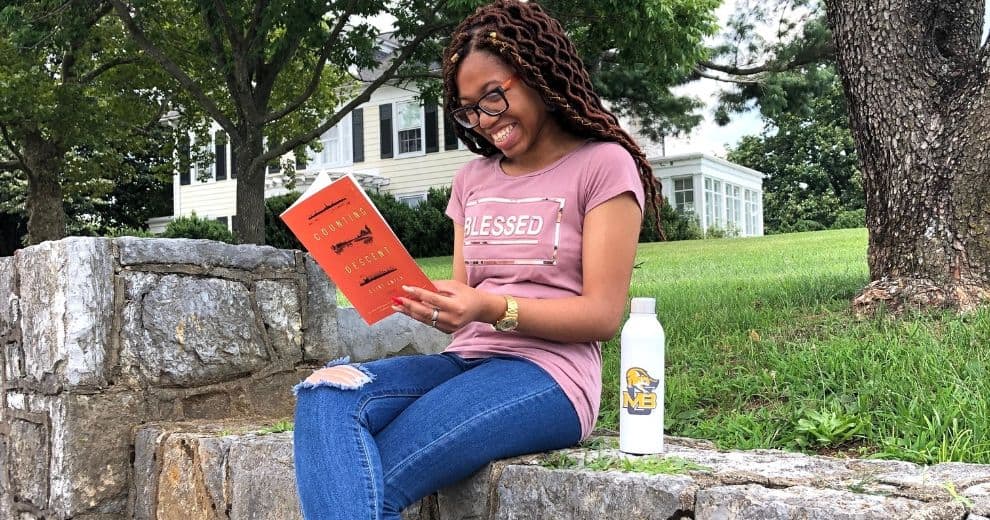
The African American studies minor requires 18 course credits across disciplines such as history, English, sociology, theatre, and more.
Sample Courses
This course will focus on 19th and 20th century African American fiction, poetry, essays, and drama. Through writing and discussions, students will develop skills in analyzing and comparing literary works and will consider contexts for African American writing.
The struggle for African Americans to enjoy the rights of United States citizens has been an arduous battle waged in the face of systematic racism and domestic terrorism. This course analyzes the history of the American Civil Rights Movement placing emphasis on the following: The involvement of ordinary citizens; the centrality of religion in the movement; decisive events and personalities; tactics; and consequences or legacies of the contemporary civil rights movement. This course will use primary source documents, documentaries and music in order to study this very important protest movement.Prerequisite: one of HIST 112, HIST 302, HIST 266; or permission of instructor.
Focuses on the African origin and African-American recreations of religions and sects. Special emphasis on the liturgical and homiletical (preaching) traditions of black women and men, and the role of the slave church as a catalyst for civil rights in the contemporary black church. Examines the evolution of womanist and black theological critiques and the counter challenge of the black Muslim movement.
Our Faculty
Our faculty are passionate about teaching, highly knowledgeable in their disciplines, and dedicated to providing the kind of mentorship and support that leads to student success. Their commitment to inclusivity helps ensure a vibrant and enriching educational experience for all.