MBU is exploring partnerships and affiliations to support the Murphy Deming College of Health Sciences as part of its ongoing work to strengthen the institution for the long term.
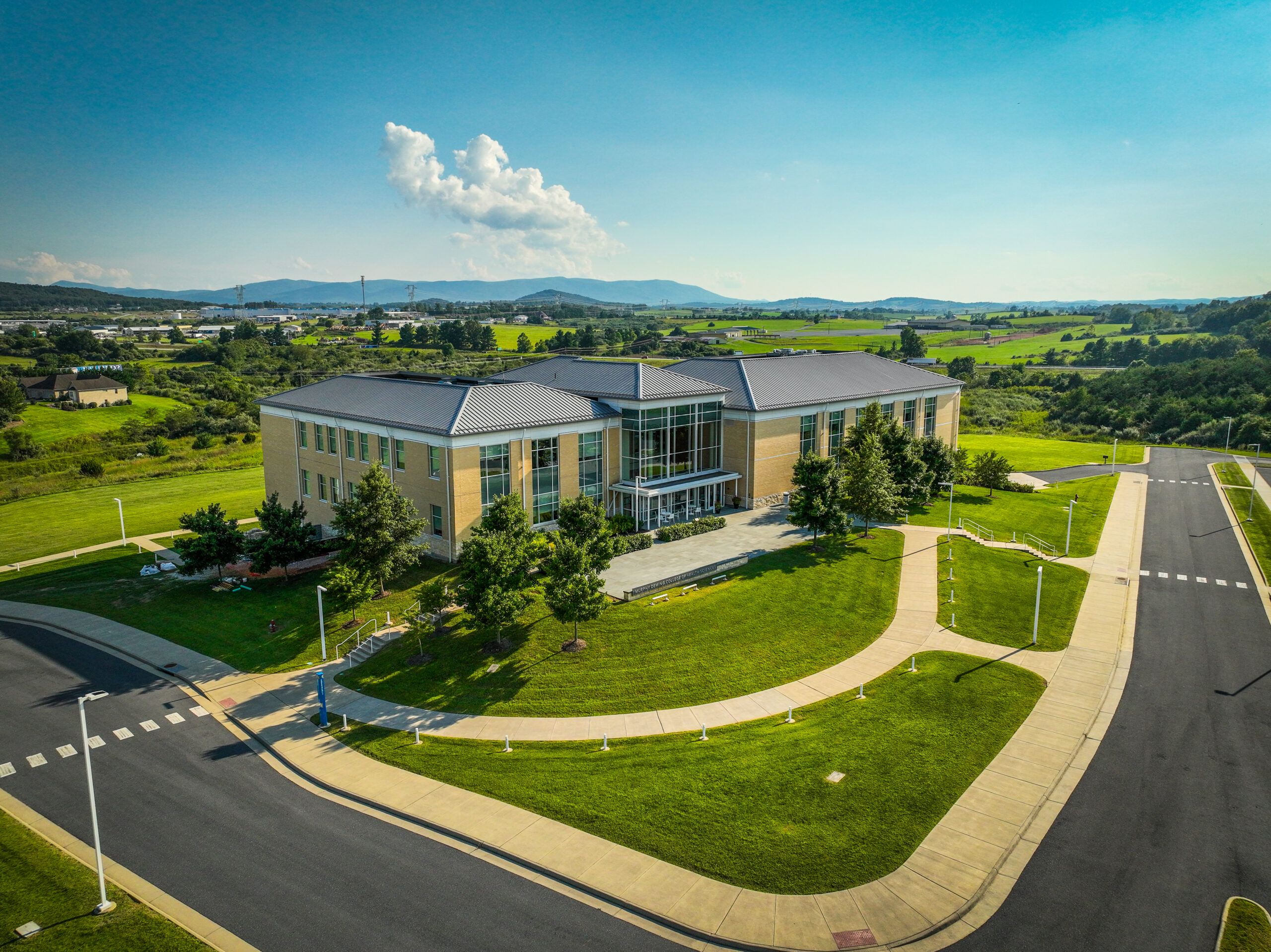
Mary Baldwin University is exploring partnerships and affiliations to support the Murphy Deming College of Health Sciences as part of its ongoing work to strengthen the institution for the long term.
Murphy Deming is a strong and growing part of the university, with a successful track record of preparing healthcare professionals in high-demand fields through a nationally recognized, mission-driven model. Since its founding, the college has grown and thrived — attracting exceptional students and faculty and addressing critical health workforce needs in this region. The mission that brought it into existence, delivering graduate education in health sciences that serves this community, remains unchanged. This exploration is about ensuring that what has been built can grow, endure, and serve the region for generations to come.
This work aligns with the university’s focus on strengthening academic programs, building sustainable models for growth, and expanding partnerships that support student success and workforce needs. As demand for healthcare professionals continues to grow, the university is evaluating how best to support the college’s next phase of growth in an increasingly complex and resource-intensive healthcare education environment.
This is an exploratory process; no decisions have been made. There are no changes to programs or operations. The university remains focused on supporting students, advancing academic quality, and sustaining its mission. Information about the university’s accreditation status, which is a separate matter, is available on MBU’s accreditation page.
The university will move forward thoughtfully, and only if a path clearly supports the continued strength of Murphy Deming and the long-term vitality of Mary Baldwin.
Frequently Asked Questions
1. What is Mary Baldwin University announcing?
Mary Baldwin University is exploring partnerships and affiliations to support the continued growth and long-term success of its Murphy Deming College of Health Sciences. This may include models that could provide additional resources, expertise, and infrastructure to help the college expand and thrive. No decisions have been made.
2. Why is the university exploring this now?
Murphy Deming is a strong and growing college operating in a rapidly evolving healthcare education environment and working to address growing demand for healthcare professionals nationally and across Virginia. Because of Murphy Deming’s strength, the university is well positioned to explore whether a strategic partner could help the college grow more effectively while also strengthening MBU as a whole.
3. Does this mean the university is in financial trouble?
This exploration is part of a broader, forward-looking effort to ensure that both Murphy Deming and the university are positioned for long-term strength. Like many small, private universities, Mary Baldwin faces real challenges — rising costs, institutional debt, and shifting demographics — and the university has been direct with its community about them, including in its recent communications regarding its accreditation status. Exploring how best to support Murphy Deming’s growth is part of how the university is addressing those realities deliberately, rather than waiting for them to force less considered choices.
4. Is this related to the university’s accreditation status with SACSCOC?
These are distinct processes — and in fact, the Board’s work on Murphy Deming began before the university’s accreditation announcement, as part of long-term planning for the college. The SACSCOC matter concerns Mary Baldwin’s institutional accreditation, and the university remains accredited while it works through that process; information is available on the university’s accreditation page. The exploration of strategic options for Murphy Deming is part of the university’s long-term planning for the college’s growth. Murphy Deming’s programmatic accreditations — which govern students’ degrees and licensure pathways — are separate from institutional accreditation and are not affected by either process.
5. Is the university planning to sell Murphy Deming?
No decision has been made. The university is exploring a range of possibilities, which could include different forms of partnership or affiliation, as well as other options. Any potential path forward would be evaluated carefully and deliberately.
6. What happens to current Murphy Deming students?
There are no changes for current students. All programs, courses, clinical placements, and academic experiences will continue as planned. Students will continue to progress toward their degrees as expected. If any future decisions were made, ensuring continuity and a positive student experience would be a top priority.
7. What happens to Murphy Deming faculty and staff?
There are no immediate changes. Faculty and staff remain central to the strength and success of Murphy Deming. Any future considerations would prioritize support for faculty and staff and the continued quality of teaching, research, and clinical education.
8. Will this affect accreditation or licensure?
No. Murphy Deming’s programs hold their own programmatic accreditations — in physical therapy, occupational therapy, physician assistant studies, and nursing — and all remain in good standing. Students’ pathways to licensure are fully intact. Maintaining programmatic accreditation and ensuring students’ ability to pursue licensure will be a requirement in evaluating any potential future option, not merely a consideration.
9. Who are potential partners?
We are not sharing specific details about potential partners at this stage. Any organization considered would be evaluated carefully based on academic quality, alignment with mission, experience in health sciences education, and ability to support the college’s long-term success.
10. When will a decision be made?
There is no set timeline. This is an exploratory process, and the university will move thoughtfully and deliberately. No decisions will be made unless a path clearly supports students, faculty, and the long-term strength of both the college and the university.
11. What would the university be looking for in a potential partner?
Any potential partner would need to demonstrate: a strong commitment to academic quality; the ability to support student success and continuity; respect for and investment in faculty and staff; experience in healthcare education and clinical partnerships; capacity to invest in the college’s long-term growth; and alignment with Mary Baldwin’s mission and values.
12. How does this relate to the university’s broader strategy?
This work aligns with Elevate MBU, the university’s strategic plan, and reflects a focus on strengthening academic programs, ensuring long-term sustainability, and expanding partnerships that support student success. It is part of a broader effort to strengthen Mary Baldwin’s long-term position and ensure that each part of the university is supported in the most effective way.
13. Will the Murphy Deming name remain?
The Murphy Deming name and the legacy it represents are deeply important to the university. These considerations will be central in evaluating any potential future path.
14. Will this impact the Staunton campus or other programs?
No changes are being made to campus operations or academic programs as a result of this exploration. The university remains committed to its mission, its students, and its role in the broader community.
15. How will the university keep the community informed?
We are committed to sharing updates as appropriate and will continue to provide clarity as this work progresses.
16. Who can I contact with questions?
If you have questions, please contact communicate@marybaldwin.edu.